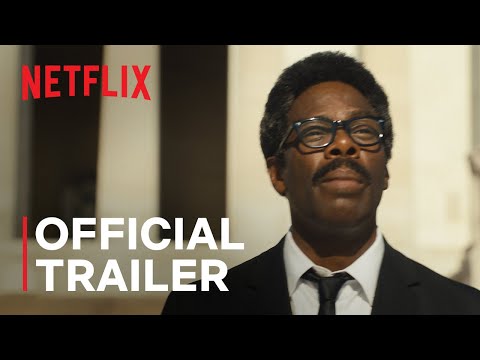
A few days ago, I went to see FENCES. It was worth every single penny I spent on that New York City cineplex ticket. A few critics have written that this film adaptation of the Pulitzer Prize winning play by African America playwright August Wilson feels "stagey" and shows its theatrical roots. Well, frankly, you can tell it was originally a stage vehicle. The late August Wilson wrote the screenplay. Initially, FENCES was slated to be a presentation on HBO. The FENCES project, to be directed by Denzel Washington who starred in the Broadway revival with Viola Davis, got upgraded to theatrical release. Wilson won two Pulitzer for plays and it took over 20 years for either one of those plays to hit the big screen. I'm cool with the film FENCES showing some theatrical roots. I'm cool with it as a black American who's proud the work of August Wilson has finally made it to the big screen like the works of Tennessee Williams, Arthur Miller, Edward Albee and Neil Simon -- other playwrights who won Pulitzer Prizes and saw their award-winning plays turned into films. I'm cool with it because of the magnificent performance delivered by Viola Davis under the direction of Denzel Washington. Her power, her depth, her acting brilliance take your breath away.
Let's be real: One of the big blocks on the FENCES road from Broadway to Hollywood was race. Wilson wanted a black director to helm the project. At one time, Eddie Murphy was mentioned to play the son in Wilson's working class family drama. That's because Murphy had hit comedies under his belt and Hollywood, which didn't think black actors were "marketable," wanted a name to assure box office. White director Norman Jewison mentioned this very thing in talking about his film adaptation of A SOLDIER'S STORY, another Pulitzer Prize winning work written by an African American playwright. Jewison, whose IN THE HEAT OF THE NIGHT won the Oscar for Best Picture of 1967, revealed the hard time he had getting A SOLDIER'S STORY to the screen because no major studio wanted to do it. Why? Because it was "a black story" with a predominantly black cast. A cast that included screen newcomer, Denzel Washington, by the way. Jewison offered to take less money than his usual director's fee to get it done. His film got an Oscar nomination for Best Picture of 1984.
I saw the original production of FENCES on Broadway in the late 80s. It starred James Earl Jones as the strict, complex family man in the Pittsburgh of the 1950s. Jones' performance was great. He gave you goosepimples. We gave him a thunderous standing ovation. If Hollywood had not been so racially narrow-minded, FENCES should have been on the big screen in the early 90s with James Earl Jones and Ruby Dee. Ruby Dee would be so proud of Viola Davis' performance today.
Viola Davis, who has done works of August Wilson on stage, gives the role of the wife a warm and easy sexuality that I didn't see in the original Broadway production. Her Rose has been married to Troy for 18 years and you can tell that she still loves making love with him. In Davis' performance, you see that her Rose said "I do" and was in for the long run. You feel that, before Troy came along, her life was a subject in search of a verb. Her life as a wife and mother is not a trouble-free one. Racial discrimination took a toll on Troy's talents and dreams. But that suburban life with him is the one she wants. And then, just like that, something changes her life.
Trust me. That one strong scene clip you just saw is not the only strong scene Viola Davis has in FENCES. Her realness put tears in my eyes. I saw some of my mother in Davis' portrayal of Rose. I saw some of my late father in Denzel Washington's performance as Troy.
Give Viola Davis an Oscar nomination right now for FENCES. This week, the star of ABC's HOW TO GET AWAY WITH MURDER got a star on the Hollywood Walk of Fame. She deserves it. She also deserves an Oscar.
I knew that post title would get your attention. TV has changed. Society has changed. But, from what I saw this morning on NBC's TODAY Show, one thing has not changed. That is -- Matt Lauer has pretty much remained a true gent in a profession that can sometimes change people in an unflattering way. This morning, January 6th, TODAY celebrated Matt Lauer's 20th anniversary as co-host on the program.
Let me tell you about the brief time I got to work with Matt on the air. Talk about how society and TV have changed, Matt and I worked together in days when a black president of the United States was usually the punchline of a comedy movie script and openly gay actors and news anchors working on network TV was totally unheard of. Matt Lauer was as absolute sweetheart to me in 1992 during my bumpy start at WNBC TV.
Note: For you who know me, forgive my reposting video you've already seen. I'm doing it for the new folks coming to my blogsite.
Matt Lauer and I share a TV credit. We both worked on editions of PM MAGAZINE, a syndicated weeknight entertainment and lifestyles show that was popular in the 1980s. He was a co-host in New York City, I believe. I was a weekly contributor/writer on the Milwaukee edition for that city's ABC affiliate. I'd fly to New York and L.A. to do celebrity interviews and PM MAGAZINE gave me the first major lift of my early TV career. My interviews of Sally Field, Meryl Streep, Jessica Lange, Ben Kingsley, Dolly Parton and others aired nationally. That made me the first African American male to be seen doing celebrity interviews nationally on PM MAGAZINE and that work helped me get a New York City local TV job offer in 1985. I did two years on local TV in New York City and then I had three fantastic years on VH1. This is backstory to keep in mind. After my VH1 years, one gig I had was as host of a syndicated summer replacement nighttime game show. In New York, the game show aired on the local Fox affiliate. During its run, I got contacted to meet with a WNBC news exec about being on an upcoming new project. That new local show would premiere in September 1992 and would be called WEEKEND TODAY IN NEW YORK.
The syndicated game show I'd hosted did not get a green light for more episodes. The WNBC job offer appealed to me because, initially, I was offered the opportunity to do entertainment news, interviews and film reviews. THAT really appealed to me because black people were never seen as weekly film critics on TV news programs or syndicated film review shows. When I was on VH1 in the late 80s, I got a rave review in The New York Times for my prime time talk show. I was the first black person to get his own celebrity talk show on VH1. Here's a demo reel:
In 1992, Matt Lauer was new on WNBC local news -- and one of the hardest working people on local TV. He'd co-anchor the early morning WNBC newscast, the afternoon newscast and he'd often do the evening newscast with Sue Simmons. I think the station just put a cot next to the men's room on the studio floor for Matt so he wouldn't have to go to his apartment. That's how much time he put in at WNBC news. Matt was also assigned to be co-host/anchor of WEEKEND TODAY IN NEW YORK, a show that would begin airing at 6am on a Saturday morning.
I took the WNBC offer for the new local weekend live morning news show. CBS and ABC did not have local weekend news programs at that time. The local industry buzz was that our show would last no longer than six months. This show is still on the air. Not only that, it became such a hit that local ABC and CBS launched their own local weekend morning news shows.
We premiered at a time when race and sexual diversity had yet to be embraced widely on TV. America was in the grips of the AIDS epidemic. ACT UP was in the news with its gay activism protests. Next week, the TODAY Show celebrates its 65th anniversary. I admit that one reason why I took the WNBC local job was that I wanted to move up within the company and do celebrity interview segments for the NBC network edition of WEEKEND TODAY.
In its first 50 years, TODAY had only two black people as talent on the show. Bryant Gumble and Al Roker were the only two African American talents seen on TODAY in its first half century on the air. It premiered in 1952. Those two talented men were not the only two black people who wanted to work on TODAY in its first 50 years. Believe me.
The afternoon before WEEKEND TODAY IN NEW YORK premiered, I was told that I would not cover entertainment on the show. No celebrity interviews, no entertainment news, no film reviews. Instead, I would do funny outdoor liveshots and a segment called "Bobby's Best Bets." That was a "things to do around time" list of items lifted from New York Magazine. Basically, it was a "Community Calendar" segment. My thought was -- "Y'all got to be jokin'. WHAT?!?!?!"
One of the show's producers said she didn't think I had "the skills" to cover entertainment. Another WNBC newsroom employee thought I was an intern. Of course, I wanted to scream "What is wrong with you white people?!?!?" But, what I discovered was that none of them had ever watched my demo reel or read my resumé. They were unaware of my TV experience. A few newsroom people thought the WNBC gig was my first TV job. However, Adam Sandler and Ellen Cleghorne, then with SATURDAY NIGHT LIVE, would see me in the building and asked "Why aren't in the studio doing the celebrity interviews like you did on VH1? Why are you at shopping malls?"
I was angry. I was humiliated. But I did the work. In the short time we worked together on the show, before his ascent to network morning stardom, Matt Lauer would compliment on my work and take a moment or two to talk to me. He always made me feel significant. He was aware of my previous work. He pushed for me to do what I do best on the weekday newscasts. He wasn't successful in that push, but I did see him enthusiastically pitch me to the weekday newscast producers.
In October or November 1992, I had to do a liveshot in Manhattan's Union Square. It was to promote the non-profit organization www.newyorkcares.org. While I was on live, Matt Lauer arrived for a segment. My cameraman was giggling because he could see Matt sneaking up behind me. But I couldn't. Matt did sneak up...and he kissed me on the cheek on live TV. I have not washed that cheek since. Thousands and thousands of women and gay men were so jealous of me that morning. Thank you, thank you, thank you, Matt Lauer.
Matt was replaced on our weekend show only because he was overworked on WNBC local -- and he was readied for a network upgrade.
I did eventually get to do occasional celebrity interviews on WEEKEND TODAY IN NEW YORK...after I pushed and pushed and pushed. I was still assigned the "Go out there and be funny" live outdoor segments. During my time on the show, my one-year contract expired. I was not offered another contract but I was told that my work was very good and I was so popular with viewers that I was kept on that Saturday and Sunday show.
A week before Christmas 1992, my boyfriend was diagnosed with full-blown AIDS. He'd been laid off from a good longtime job a month before and was looking for work. Then came the diagnosis. Then his roommate asked him to move out because of the diagnosis. I became his primary caregiver in New York City and he moved in with me into my humble studio apartment. He died in June 1994. A few WNBC newsroom employees I trusted pulled me aside and urged me not to be "an angry black man" despite how management treated me and not to tell anyone that my partner had AIDS, even though my health was good. They felt that if news of my personal life was revealed, management might not need me on the show anymore -- and my income from that weekend show helped me take care of my terminally ill partner. If I had been made to feel comfortable about being *out* and sharing my story, I would have loved doing pieces to share what I'd learned about caregiving and helping someone with AIDS. In those days, I was surely not the only person going through that experience. But I was told to keep quiet for fear of being unemployed. And I did not have an agent to help me get other work. There were so many times that I slept sitting up in a chair at Richard's Mt. Sinai Hospital bedside, woke up, took a shower in his hospital room and caught took a cab to 30 Rock to be at work by 4:30am so I could be funny on a live news program.
Another thing: I was told by the local news boss that, even though my work and popularity were both good, I would not be offered another contract, I would not be getting spots on the weekday local newscast and I would not be moving up to network exposure. But he wanted me to stay with WEEKEND TODAY IN NEW YORK.
I stayed long enough to make the money to help my late partner's family down South pay off his funeral expenses in full...and then I quit. That was in January 1995. That particular WNBC management team, by the way, has been long gone.
I will never forget Matt Lauer's kindness to me when we worked together in 30 Rock. I needed kindness then. Happy Anniversary, Matt.
I love musicals. I have for most of my life. LA LA LAND, a musical love story, got such rave reviews that I just couldn't wait to see it. Well, I saw it. Let me put it to you like this: LA LA LAND is like a big, pretty Christmas gift box with a bow on top. You open it to find it's full of brightly colored sheets of tissue paper. And that's all. Two of my favorite young actors, Ryan Gosling and Emma Stone, are the stars. She plays Mia, the aspiring young actress in L.A. Mia works in a coffee shop. He's a jazz pianist struggling to make ends meet. Their first encounter has a slight conflict and some misunderstanding. But, like in the Fred Astaire & Ginger Rogers musicals at RKO or the Gene Kelly & Judy Garland musicals at MGM, you know that they will eventually fall in love and dance together.
Sebastian (Gosling) loves jazz. He loves the masters like Miles Davis, Charlie Parker and Hoagy Carmichael. Mia doesn't. She says, "I hate jazz." Then she talks about Kenny G.
Seb and Mia fall for each other. When she gives up after several career disappointments and leaves L.A., he urges her to not give up on her dreams and try one more audition. And that's pretty much the plot. Critics fell head over heels in love with this movie and, in their reviews, mentioned classic movie musicals like SINGIN' IN THE RAIN, THE BAND WAGON starring Fred Astaire, and the pastel-colored, exquisitely bittersweet French musical drama from the 1964, THE UMBRELLAS OF CHERBOURGH. Those three musicals all have way better screenplays than LA LA LAND does. They have more substance, more wit. And that's my big criticism of LA LA LAND. The actors were fine. The screenplay is mediocre. The screenplay was written by its director, Damien Chazelle, a filmmaker born in the mid 80s. He missed not only the Golden Age of Hollywood Musicals, he was in diapers during the Golden Age of music videos, a good number of which copied business from classic movie musical numbers. Think of Madonna's "Material Girl"video in which she imitated Marilyn Monroe's "Diamonds Are A Girl's Best Friend" number from GENTLEMEN PREFER BLONDES. Damien Chazelle watched classic musicals but did he learn about the vision of their directors -- directors like Vincente Minnelli, Gene Kelly and Stanley Donen? And I don't mean just their vision through the camera lens. Did he learn about tone, pacing, the power of a clever screenplay and the use of musical numbers to reveal character and advance the storyline? That kind of vision. LA LA LAND is tasty eye candy. Chazelle frequently used what I call a Minnelli Red in LA LA LAND. Think of the red when first we see Cyd Charisse as the hot new ballet star in THE BAND WAGON. Then think of the red dress when she dances as the vamp with Fred Astaire in THE BAND WAGON's famous "Girl Hunt" jazz ballet.
Look at the red in Gigi's home in GIGI. In LA LA LAND's final musical number, there's set decoration influence from SINGIN' IN THE RAIN's "Broadway Rhythm" number.
Mia is handed balloons as she's being made up -- like Audrey Hepburn as the new fashion model in Stanley Donen's FUNNY FACE with Hepburn and Fred Astaire. LA LA LAND's story takes place in seasons, just like Minnelli's classic MEET ME IN ST. LOUIS. We see a screen card that says "Spring," "Winter" and so on. Here's how Minnelli did it.
LA LA LAND opens with a fabulous number on a Los Angeles freeway. Folks sing and dance out of their non-moving vehicles. It's entertaining but it doesn't reveal anything about a lead character or lead characters. Think of "The Jet Song" in WEST SIDE STORY, Judy Garland's "Over the Rainbow" in THE WIZARD OF OZ and her "The Boy Next Door" in MEET ME IN ST. LOUIS. Look at Astaire and Rogers singing and dancing "Pick Yourself Up" in SWING TIME. The freeway song, like all of the score, is pleasant. The whole zesty number just seems to be there for the sake of being there. Neither Stone nor Gosling are in that opening number.
Here's the one thing that REALLY annoyed me about LA LA LAND. The disrespect for jazz. Sebastian's sister in the opening scenes comes off like a great granddaughter of the Lauren Bacall character in 1950's YOUNG MAN WITH A HORN starring Kirk Douglas. Douglas played the horn player who loved and learned from black jazz greats. Bacall was the wife who could've cared less about that music. There's a LA LA LAND scene in which Sebastian explains the history of jazz to Mia while they're in a club. A black jazz trio performs onstage. At no time in his brief history lesson does Sebastian mention black people. If I had the money, I would ship the Ken Burns JAZZ mini-series documentary that aired on PBS to the screenwriter/director. As for the scene itself...well, there's nothin' like having a young white dude explain an African American art form in about 30 seconds. With no mention African Americans.
Then comes John Legend as a guy who can get Sebastian some steady employment. But he doesn't seem to have any reverence for the old jazz masters either. He tells Seb that he's living in the past with the music he loves. It's old stuff. Why would a film director give a young black musician/songwriter that material to say about an American music art form started by black people? Legend's character wants Seb to play more contemporary stuff. At the open of the film, Seb is fired from his restaurant/lounge piano player job for playing jazz. Seb's sister doesn't care for jazz, his boss forbids jazz to be played and Mia hates jazz. Then John Legend's character casually disrespects jazz. I would've given Legend dialogue like: "You are keeping the memory of these jazz greats alive. Jazz. My people created the foundation for jazz. They built the house on top of that foundation with an open door so folks of all colors could come in, enjoy, go out and build their own new material with what they learned from and loved about the masters of the music. That's what I need you to do, Seb. Build some new material inspired by that old house you loved being in." See what I mean?
But there are some precious things about LA LA LAND. The lead actors are likable and there's the lovely use of actual L.A. locations. Here's a taste of LA LA LAND with an influence of the Michel Legrand music for THE UMBRELLAS OF CHERBOURG.
Here's a number I'd like you to see from 1953. In THE BAND WAGON, Fred Astaire and Cyd Charisse play dancers of different styles and different eras who are cast as the leads in a new Broadway musical. In rehearsals, they argue. But, as they open up to each other and take a walk through Central Park, they discover that their styles can blend -- professionally and romantically. Here's Fred Astaire (then in his early 50s) and Cyd Charisse in the "Dancing in the Dark" number from Vincente Minnelli's THE BAND WAGON. Watch it ...and then let's talk about great musicals with great musical talent.
LA LA LAND really cooks in the third act when Mia is absolutely fed up after a humiliating one-woman show she writes and performs. Gosling is good. However, they didn't really have much to play. The biggest challenge for them was the musical numbers. I'd suggest this -- see LA LA LAND and then watch the musical comedy classic, SINGIN' IN THE RAIN starring Gene Kelly, Debbie Reynolds and Donald O'Connor. Both stories are set in L.A. and both focus on people in show biz. 1952's SINGIN' IN THE RAIN had characters dealing with new technology. Hollywood's silent film era of the 1920s was ending quickly because of sound. This new technology will revolutionize the entire movie-making industry. LA LA LAND benefits from today's new technology. You see the special effects in the dance numbers. However, with the advantages of today's technology, notice which one of those two movie musicals has the more sparkling script and -- let's face it -- the more memorable dance numbers. To me, LA LA LAND often felt like a colorful, original made-for-TV musical. If I had to grade LA LA LAND, I would give it a C+.
ALERT! There's a spoiler in the question I pose in this blog post. Do not read this item if you haven't yet seen LA LA LAND and do plan to see it. If you have seen it and if you've seen a certain Martin Scorcese musical drama from the 1970s, then keep reading. Several nationally recognized critics sent love notes in their reviews of LA LA LAND, a musical romance. It's up for some top Golden Globe awards and many predict it'll rack up some major Oscar nominations later this month. Emma Stone stars as Mia, the aspiring actress in Los Angeles.
Ryan Gosling stars as the jazz musician who is just barely getting by financially in L.A.
Their hearts connect. Here's a clip from LA LA LAND. The film was written and directed by Damien Chazelle.
In 1977, Broadway audiences saw Liza Minnelli star in a musical drama directed by Martin Scorcese. Movie audiences saw Liza Minnelli in a musical drama that was also directed by Martin Scorcese. NEW YORK, NEW YORK should have been in the Best Song Oscar category for the title tune. The Frank Sinatra recording of "New York, New York" is now practically an anthem for New York City. (The Oscar for Best Song of 1977 went to "You Light Up My Life.") The title tune was not the only good original number written for Liza Minnelli to introduce in Scorcese's NEW YORK, NEW YORK. As the band singer who moves on to a solo recording career, Minnelli introduced "But the World 'Goes Round." The post-World War 2 singer, Francine Evans, taps into some recent personal heartbreak while singing. This is one of my absolute favorite sections of Scorcese's film.
Now...for those of you who have seen NEW YORK, NEW YORK...think about what happens after that number. A few years pass. Hollywood signs the singer. Robert De Niro starred opposite Liza Minnelli as a jazz musician. The singer and the jazz musician were once in love. While she made hit movies in Hollywood, he became the owner of a popular Manhattan jazz club. The movie star has a new man in her life. The two former sweethearts, the singer/actress and the musician, wind up seeing each other one night for a few minutes before their goodbye and the end of the movie.
Isn't that pretty much what happens in the last 15 minutes of LA LA LAND starting with the number Emma Stone's character sings at the audition for a film to be shot in Paris? Let me know what you think.
At Christmastime, I was visiting my wonderful sister in the Minneapolis area. There was a feature on the local news one evening about a local singing duo, male and female, that had changed the lyrics of a popular tune to make it socially correct. The feature got picked up for network airing. The duo's rewrite annoyed me. Enough with the controversy about this Oscar-winning song! I have grown very tired of the unnecessary kerfuffle over "Baby, It's Cold Outside, a tune performed in an MGM musical comedy. Only one A-list Hollywood studio had a queen of aquatics. She was one of the four actors who introduced "Baby, It's Cold Outside" and helped it win the Oscar for Best Song of 1949.
Only MGM had Esther Williams under contract. The studio built special pools for her numbers. Hollywood discovered this lovely athlete. The competitive champion swimmer could handle a song and she moved well in dance numbers. MGM utilized those skills in breezy musical comedies that allowed her to get in the swim with most of her leading men throughout the 1940s.
NEPTUNE'S DAUGHTER was a musical comedy that paired Esther for the third time with Ricardo Montalban. The story is set in a sunshine state like Florida. Esther plays the former aquatics dancer who becomes a successful business executive when she starts designing swimwear. A celebrated South American polo team is arriving for a match and she plans a deluxe swim show to advertise her swimwear brand and to get the foreign athletes lots of publicity.
Her younger, kooky sister plans to get her lips on the handsome playboy captain of the team. In order to keep her from making a fool of herself, the big sister dates the polo captain for the sake of keeping nonsense out of her business plans. But he likes the swimwear exec and she's attracted to him. There's a whole mistaken identity bit in the movie. The comic sidekick sister meanwhile has a big crush on another guy. He's played by Red Skelton. His character is the comic sidekick to the polo captain
"Baby, It's Cold Outside" is a call and response tune that's meant for laughs. There's no ice and snow outside. They're in a sunshine state. He's not slipping a drug into her drink to take advantage of her. Watch the movie. This song has unjustly acquired the reputation of being a Christmas holiday tune that suggests date rape. Wrong. Again, watch the number in the movie.
If young singers today are rewriting the lyrics to make it "politically correct," they are tampering with an artist's work. The man who wrote "Baby, It's Cold Outside" also wrote the scores for three classic Broadway musicals -- GUYS AND DOLLS, THE MOST HAPPY FELLA and HOW TO SUCCEED IN BUSINESS WITHOUT REALLY TRYING. Leave the work of songwriter Frank Loesser alone.
Rewriting the lyrics shows that today's artists have not done their homework and it also shows a lack of imagination. They have not watched either the film in which the song was introduced nor have they watched the number. The number was not just performed by Esther Williams and Ricardo Montalban. It was also sung by Betty Garrett (as the sister) and Red Skelton. In their part of the number, Garrett as the kooky sister is the aggressive one.
Here is "Baby, It's Cold Outside" done by Esther Williams, Ricardo Montalban, Betty Garrett and Red Skelton in the 1949 musical comedy, NEPTUNE'S DAUGHTER.
See? Two different approaches to the same song in the same number. There's no need to rewrite it. Either be a creative performer and give your rendition a different delivery -- or do another song.
I still firmly believe that ABC has had a reality show hit on its slate for years because of Buster Keaton. Yes, because of the great stoneface comic actor/director who gave us classics in the silent film era, young men are finding love on ABC.
One of my favorite Keaton features is 1925's SEVEN CHANCES. This comedy runs only about 55 minutes -- and Buster Keaton does a lot of running in it. In that movie, he plays a young lawyer with a firm that's on the brink of financial ruin. He's informed that a relative has left him a fortune in his will. But, in order to claim that fortune, he has to be married by 7p on a particular day. The expiration day for him to say "I do" happens to be the same day he's told the news. That means the bachelor has to find a bride right away.
When news about the fortune gets out, there's no shortage of single women chasing him to become his wife. This makes for a great visual in the comedy.
Buster Keaton was the star and also the silent film's director.
This comedy was remade and released in 1999. THE BACHELOR starred Chris O'Donnell in the title role and Renee Zellweger.
THE BACHELOR's 1999 action was set in San Francisco. It repeated the bachelor-chase visuals from the 1925 original film, SEVEN CHANCES.
Box office-wise, there wasn't a happy ending. Critics and the public did fall in love with this feature. The movie soon went to TV. ABC aired it one night.
Pretty soon after its ABC network premiere, I noticed commercials for a new show coming to the network. A new romantic reality show called....you guessed it....THE BACHELOR. True it's not a "remake" of the Buster Keaton 1925 film. However, you do have the basic business of several women seeking to be picked to exchange wedding vows with the one sought-after bachelor.
But you probably knew this already. Did you? I hope you have a fabulous love life this new year.
Did you know that two actors in the musical comedy BYE BYE BIRDIE have a connection to the tale of Norman Bates? Happy New Year. Since it is the first day of a new year and you may not be up for reading anything too complicated, let me just share some movie trivia with you that I realized just last month while watching TV. Janet Leigh secured her place in cinema history with her performance in the Alfred Hitchcock masterpiece, PSYCHO.
Before a hard rain forces Marion Crane off the road and before she meets her doom while under running water, we see her in arid Phoenix, Arizona having a love affair and working as a highly efficient, highly professional and usually trustworthy real estate office secretary.
Her slim, rather reserved boss comes in and seems a tad uneasy with the indiscreet, bragging buddy customer wearing a cowboy hat.
The cowboy wants to have a drink. He boasts about having lots of money. In fact, he's got $40,000 on him in cash. The middle-aged cowboy sees the young, shapely and lovely office secretary. He's a married man whose daughter is getting married soon. We can tell that he'd like to have a few drinks and a horizontal hootenanny with the office secretary. He gets up close to her and waves that wad of cash in her face like he's a flasher who just exposed himself and is wiggling his generous manhood.
Secretary Marion Crane (Janet Leigh) is aware of but not at all interested in his advances. She is to take that hefty amount of cash and put it in the bank for the boss.
The randy middle-aged cowboy in Hitchcock's 1960 classic was played by Frank Albertson. In 1963, he and Janet Leigh would share screen time again. Only this time in a festive, colorful big screen adaptation of a hit Broadway musical comedy. Janet Leigh wears a brunette wig in BYE BYE BIRDIE. Why? Well, she had a contract deal with Columbia Pictures and owed them one last movie. She got the role originated on Broadway by Chita Rivera. That's why Janet Leigh wears a dark wig to play the whip-smart and fast-thinking Latina secretary, Rosie DeLeon.
She's basically like a top Manhattan publicist and event planner. An Elvis Presley-like rock superstar will appear on a top network TV variety, sing a new song and kiss a small town girl fan. This will be huge publicity for the girl's small town. Dick Van Dyke (left) starred opposite Janet Leigh as her aspiring songwriter boyfriend. Paul Lynde (right) co-starred as the harried father of the small town girl chosen to kiss the rock star on national TV. Ann-Margret played his daughter.
Rosie arranges a town square promotional event in which the mayor will give the sexy rock star the key to the city while lots of the star's teen girl fans scream with glee in the town square. This leads up to a big musical number in BYE BYE BIRDIE. The overwhelmed mayor is played by Frank Albertson.
Albertson had some pretty good films on his acting resume. One of the most popular is now shown on NBC at Christmastime. Frank Albertson played Sam Wainwright in IT'S A WONDERFUL LIFE. He's George Bailey's friend on the phone to Mary while George listens in before snapping to his senses and kissing Mary passionately because he's really in love with her. And she with him.
There you have it. Two actors who went from the Norman Bates killer drama to the breezy BYE BYE BIRDIE. Happy New Year.